
Features of Common Car Traction Devices
Metal chains, plastic TPU chains and tire socks are the three main devices for snow and ice. This comparison covers traction, durability, installation, comfort and best use cases for each type.
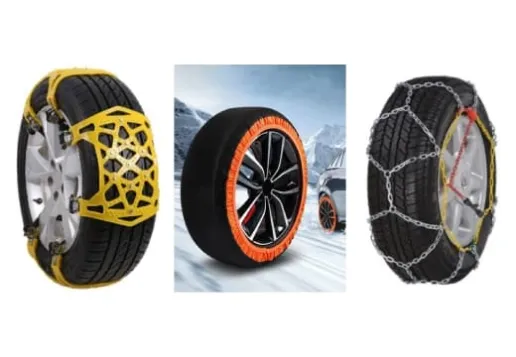
Metal Chains, Plastic(TPU) Chains, and Tire Socks are the three main types of tire traction products. Here is a detailed comparison to help you understand their features.
1. Metal Chains (Steel Chains)
Overview:
Metal chains is the traditional option, consisting of hardened steel links that wrap around the tire.
Advantages:
- Maximum Traction: Excellent "bite" on thick ice and hard-packed snow.
- Durability: Extremely durable; resistant to wear and tear.
- Versatility: Effective in snow, ice, and deep mud.
Disadvantages:
- Installation: Can be difficult, heavy, and messy to install.
- Comfort: Noisy and causes significant vibration while driving.
- Risk: If a link breaks, it can damage the vehicle’s bodywork or brake lines.
- Best Use Case: Heavy snowstorms, steep mountain roads, thick ice, mud/off-road driving, and heavy-duty trucks.
2. Plastic(TPU) Chains
Overview:
Plastic chains are made from durable Thermoplastic Polyurethane (TPU), these often feature embedded steel studs.
Advantages:
- Ease of Use: Generally easier and faster to install than metal chains.
- Ride Quality: Much quieter and smoother than metal chains.
- Safe for Rims: Less likely to scratch alloy wheels.
Disadvantages:
- Durability: Less durable than steel; plastic can become brittle in extreme cold or break under high stress.
- Cost: Often more expensive than basic metal chains.
- Traction: Good for snow, but slightly less effective on pure sheet ice than steel.
- Best Use Case: Regular winter driving, mixed conditions (snow and slush), and highway driving where comfort matters.
3. Tire Socks (Auto Socks or Snow Socks)
Overview:
Tire socks are textile covers made of high-friction fabric that fits over the entire wheel.
Advantages:
- Convenience: The easiest to install (just slip them on).
- Compatibility: Perfect for sports cars with low wheel-well clearance where chains won't fit.
- Smooth Ride: No vibration or noise; no risk of damaging the car.
Disadvantages:
- Fragility: They tear easily if driven on dry asphalt for even a short distance.
- Performance: Less traction than chains in deep snow or on steep icy hills. Not suitable for mud.
- Best Use Case: Emergency use, short distances, flat city roads, and vehicles with very tight clearance around the wheels.
Which one do you prefer to? Let's discuss it in the next episode.
Want to stock the right traction devices for your customers? Contact us for specifications and wholesale pricing.