
News
Metal vs. Non-Metal Tow Rope: Which One Should You Choose?
Metal tow ropes and non-metal tow ropes suit different rescue jobs. Compare tensile strength, durability, weight and safety to choose the right tow rope for your customers.
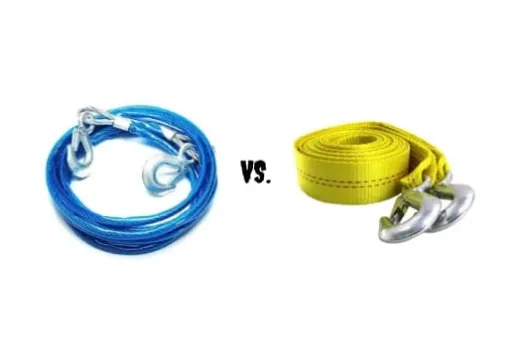
When it comes to vehicle rescue and towing, choosing the right tow rope depends on your needs. Here's a concise breakdown of metal and non-metal options:
1. Metal Tow Ropes (Steel/Alloy Cables)
- Core Strength: Exceptionally high tensile strength (5-50+ tons), ideal for heavy-duty use like trucks, construction vehicles, and off-road rescue.
- Durability: Resistant to wear, UV rays, and extreme temperatures(-40℃~80℃). Note: Non-stainless steel versions may rust—regular maintenance is recommended.
- Advantage: Reliable for heavy loads, low breakage risk under proper use.
- Disadvantage: Heavy (5-10kg for 10-ton models) and bulky; high rebound force if broken (requires anti-snag devices for safety).
- Best For: Professional rescue teams, industrial fleets, and off-road enthusiasts.
2. Non-Metal Tow Ropes (Nylon/Polyester/Kevlar)
- Core Strength: Medium to high (2-15+ tons), suitable for cars, SUVs, and light-duty towing.
- Durability: Wear-resistant with outer protection; UV-resistant (polyester > nylon) and rust-free, usable in -20℃~60℃. No complex maintenance needed.
- Advantage: Lightweight (1-3kg for 10-ton models), easy to store, and shock-absorbing to protect vehicle chassis. Low rebound force if broken—safer for daily use.
- Disadvantage: May age or break after long-term sun exposure; replace every 1-2 years.
- Best For: Daily emergency rescue, family cars, and casual drivers seeking portability.
Summary: Choose metal for heavy loads and harsh conditions, or non-metal for convenience and everyday safety!
Not sure which tow rope fits your customers? Contact us for specifications and wholesale pricing.